
Finding the Real Value in Personal Training
Teaching people how to put on muscle?
There's no real value in it.
It isn't rocket science. Gym bros have done it for years with zero scientific background, and plenty of "experts" have the science back to front and still get results. The method is roughly this:
Lift through a range of movements that cover the basics. (A Google search and a few YouTube videos cover that, for free.)
Add a little weight, reps, or both over time.
Eat enough food, make enough of it protein, and don't let too much of the rest be sugary, fatty, processed junk.
There you go. Muscle.
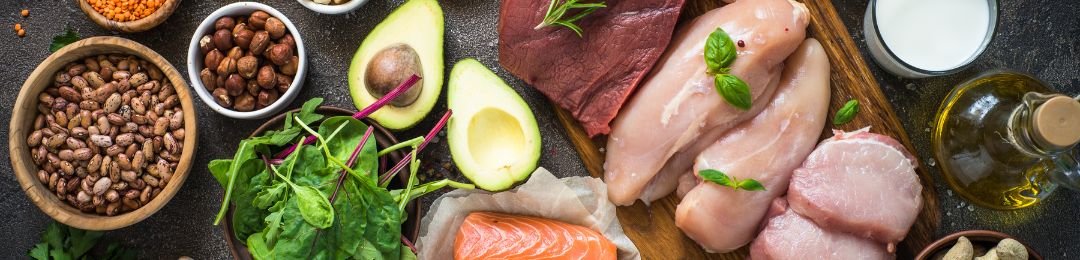
Sources of nutrition, with fats containing a lot of calories and lean protein few compared with their muscle-building properties
Want to strip fat afterward?
Cut the food that isn't protein.
Keep the lifting program.
If the weight starts dropping, cut a little more.
Repeat until you're there.
Anyone can run that. As long as they can handle the side effects, and as long as their joints can take the stress of loading muscle tissue rep after rep.

Coach Benny Price teaching Personal Trainers how to understand the forces in a Leg Press
The real value is being able to help people who find “traditional exercise” painful, and can’t progress past it. Being able to train them anyway, getting more stimulus out of fewer sets so less volume runs through their genetically less tolerant joints, is a skill very few PTs are selling. The same skill future-proofs your currently capable clients against chronic damage down the line.
Bonus value: by making exercise more efficient, you’re saving your client some precious time.
The public mostly doesn't see this. They think they're hiring someone to help them build muscle, and maybe that's how we have to market ourselves to reach them. As professionals trying to raise our value, though, we have to understand the real job well enough to do it.
What does that look like in practice? Keep reading here.
The skill that makes any of it possible, reading a client's joints and building around them, is the core of RTS Level 1.