
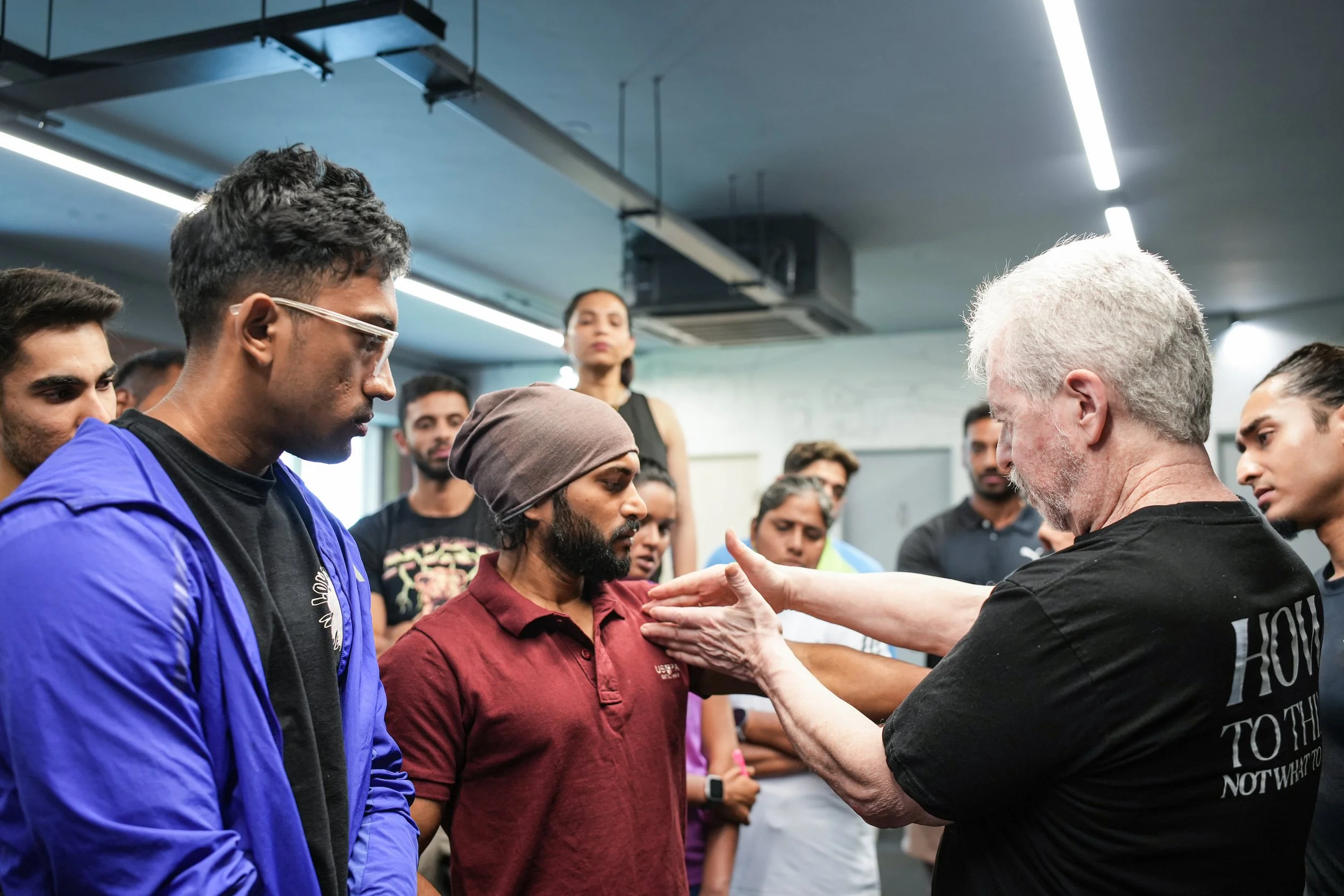
WHY EXERCISE MECHANICS™
You can study exercise science for years and still struggle to adjust a lunge for someone with knee pain, or refine a row for someone with poor scapular control.
That's because most exercise science focuses on adaptations. Exercise Mechanics™ focuses on the stimulus creating them.
With an education in Exercise Mechanics™, you’ll learn how to:
Understand joint motion and muscular function
Apply external forces intelligently
Match resistance to individual strength profiles
Create stimulus without unnecessary stress
Adjust exercises for real-life scenarios
It is the difference between exercise instruction and exercise design.
Exercise Mechanics™ is the basis of any client-centered program. It’s used across what we call the Functional Continuum™, which spans:
Rehabilitation and recovery
General population health and function
Athletic performance and return-to-play
Aesthetic physique development
High-efficiency training for busy professionals
If it involves resistance and a human body, it involves Exercise Mechanics™.
THE SCOPE OF APPLICATION
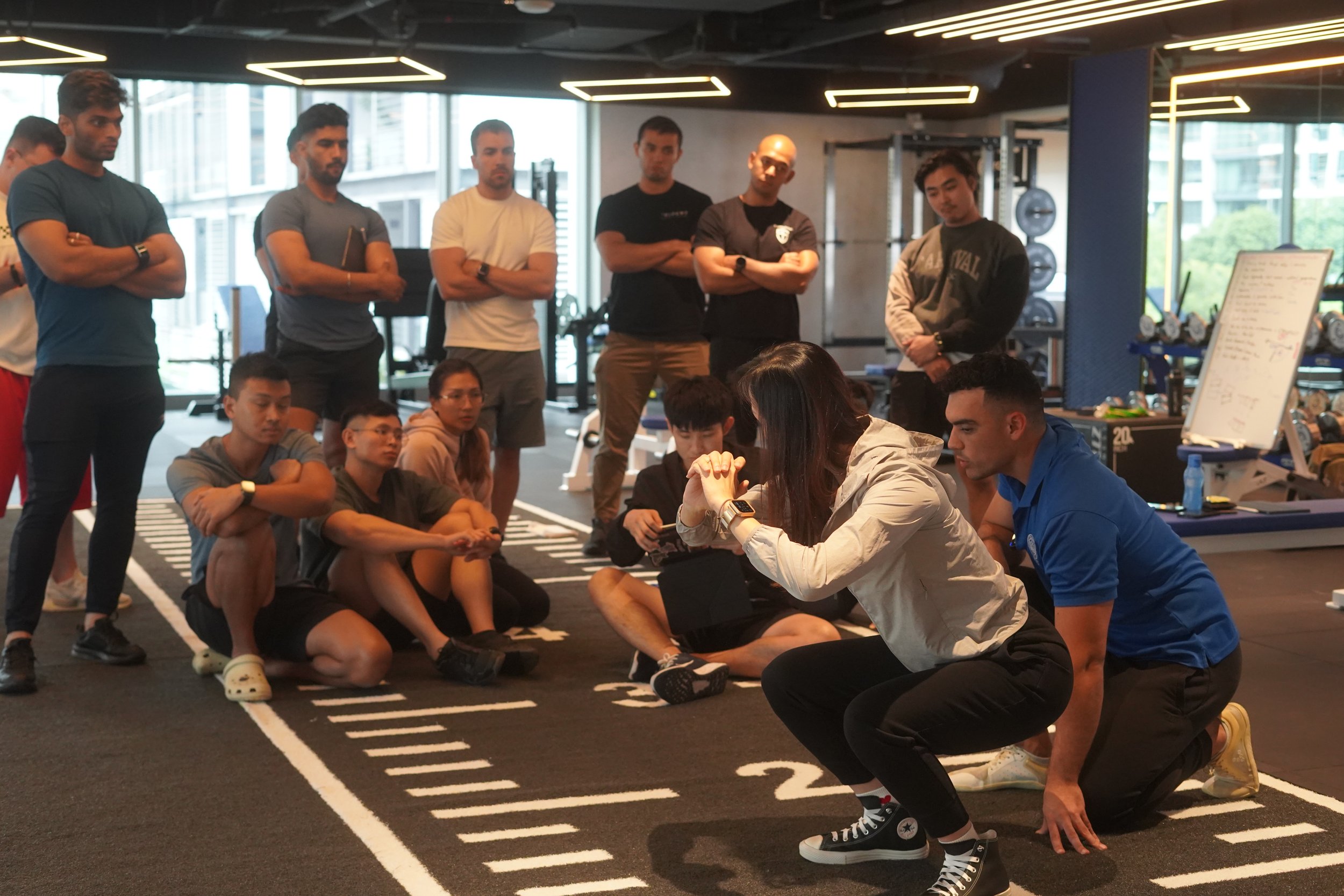
PUTTING MECHANICS INTO PRACTICE
RTS applies Exercise Mechanics™ through a structured curriculum designed to develop your coaching judgment as the scenarios you face become more demanding.